Interest rates today are constantly shifting, and staying on top of the latest movements can save you thousands of dollars on loans or help you maximize your savings returns. Whether you're shopping for a mortgage, considering a personal loan through buy now pay later services, or looking to grow your savings, understanding current interest rate trends is essential for making smart financial decisions.
The Federal Reserve's recent policy decisions have created a dynamic environment where interest rates today fluctuate based on economic indicators, inflation data, and market sentiment. For consumers using services like CreditMaxxer, these rate changes directly impact borrowing costs and debt consolidation opportunities.

1. Federal Funds Rate: The Foundation of All Interest Rates Today
The Federal Funds Rate serves as the benchmark that influences virtually every other interest rate in the economy. Currently set by the Federal Reserve, this rate determines how much banks charge each other for overnight loans, creating a ripple effect across all lending products.
Current Federal Funds Rate Impact
The current federal funds rate directly affects interest rates today across multiple financial products. When the Fed raises rates, you'll typically see increases in credit card rates, personal loan rates, and mortgage rates within weeks. Conversely, rate cuts can provide relief for borrowers but reduce returns for savers.
How Fed Policy Affects Your Finances
Understanding Federal Reserve policy helps you anticipate interest rate movements. The Fed considers inflation data, employment figures, and economic growth when setting rates. Recent economic indicators suggest continued volatility in interest rates today, making it crucial to monitor these changes regularly.
Why It Matters: The Federal Funds Rate influences every borrowing decision you make. A 0.25% increase can add hundreds to your annual loan payments, while rate cuts can create opportunities for refinancing existing debt.
| Rate Type | Current Range | Recent Change | Impact on Borrowers |
|---|---|---|---|
| Federal Funds Rate | 5.25% - 5.50% | Held steady | Stable borrowing costs |
| Prime Rate | 8.50% | No change | Credit card rates stable |
| 10-Year Treasury | 4.2% - 4.5% | Slight decline | Mortgage rates softening |
2. Mortgage Rates Today: Home Financing Opportunities
Today's mortgage rates represent one of the most significant interest rate categories for consumers. Current mortgage rates directly impact home affordability and refinancing decisions, making them essential to track for anyone in the housing market.
Conventional Mortgage Rate Trends
Conventional 30-year fixed mortgage rates have shown considerable volatility, with current rates ranging from 6.5% to 7.2% depending on credit scores and down payments. These rates reflect both Federal Reserve policy and investor sentiment about future economic conditions.
For borrowers with excellent credit using services through CreditMaxxer, accessing the lowest available rates becomes crucial for long-term financial health. Even a 0.25% difference in mortgage rates can save tens of thousands over a loan's lifetime.
Adjustable Rate Mortgages (ARM) Considerations
Adjustable rate mortgages offer lower initial rates but carry the risk of future increases. Current ARM rates start around 5.8% to 6.3% for the initial period, making them attractive for short-term homeowners or those expecting income growth.
Pro Tip: If you're considering an ARM, calculate the maximum possible payment under the worst-case scenario. This helps ensure you can afford the loan even if interest rates today rise significantly.
Government-Backed Loan Programs
FHA loans currently offer rates approximately 0.25% to 0.5% lower than conventional mortgages, making homeownership more accessible for first-time buyers. VA loans provide even better terms for eligible veterans, often with rates 0.5% to 0.75% below conventional options.
3. Personal Loan and BNPL Interest Rates Today
Personal loan rates have climbed significantly, with current ranges from 8.99% to 35.99% depending on creditworthiness and loan terms. For consumers managing buy now pay later debt, understanding these rates becomes crucial for consolidation strategies.
Credit Score Impact on Personal Loan Rates
Your credit score dramatically affects the interest rates today you'll qualify for on personal loans. Borrowers with scores above 720 typically access rates between 8.99% and 15.99%, while those with scores below 600 may face rates exceeding 25%.
- Excellent Credit (750+): 8.99% - 12.99% APR
- Good Credit (700-749): 13.99% - 18.99% APR
- Fair Credit (650-699): 19.99% - 25.99% APR
- Poor Credit (Below 650): 26.99% - 35.99% APR
Buy Now Pay Later Consolidation Options
Many consumers using buy now pay later services find themselves juggling multiple payment schedules. Current personal loan rates, while higher than historical norms, often provide better terms than accumulating BNPL late fees and penalties.
CreditMaxxer specializes in helping consumers evaluate whether consolidating BNPL debt through personal loans makes financial sense given current interest rates today. The key is comparing the weighted average of your current obligations against available consolidation rates.
Key Takeaway: BNPL services often advertise 0% interest, but late fees and penalties can create effective rates exceeding 30%. Consolidation through personal loans might offer better long-term financial health.

4. Credit Card Interest Rates Today: Managing High-Cost Debt
Credit card interest rates today continue reaching historic highs, with average rates now exceeding 21% for standard cards and 24% for store cards. These rates directly track the Federal Funds Rate, meaning they've risen substantially over the past two years.
Variable vs Fixed Rate Credit Cards
Most credit cards carry variable rates tied to the prime rate, meaning interest rates today on your existing cards have likely increased automatically. Fixed-rate cards offer predictability but typically start with higher base rates to compensate for the issuer's risk.
Understanding your current credit card rates helps prioritize debt payoff strategies. Cards with rates above 25% should receive immediate attention, as these costs compound rapidly and can overwhelm budgets quickly.
Balance Transfer Opportunities
Despite high standard rates, promotional balance transfer offers still provide temporary relief. Current offers range from 0% for 12-21 months, though transfer fees typically cost 3-5% of the moved balance.
Expert Tip: Calculate the total cost of balance transfer fees against interest savings. A 3% transfer fee equals approximately 18% annual interest if you only use the 0% period for two months.
Store Card and Retail Financing Rates
Store credit cards often carry the highest interest rates today, frequently exceeding 28% APR. These cards target impulse purchases and often trap consumers in high-cost debt cycles that compete with BNPL services for the same spending categories.
5. Savings and Investment Interest Rates Today
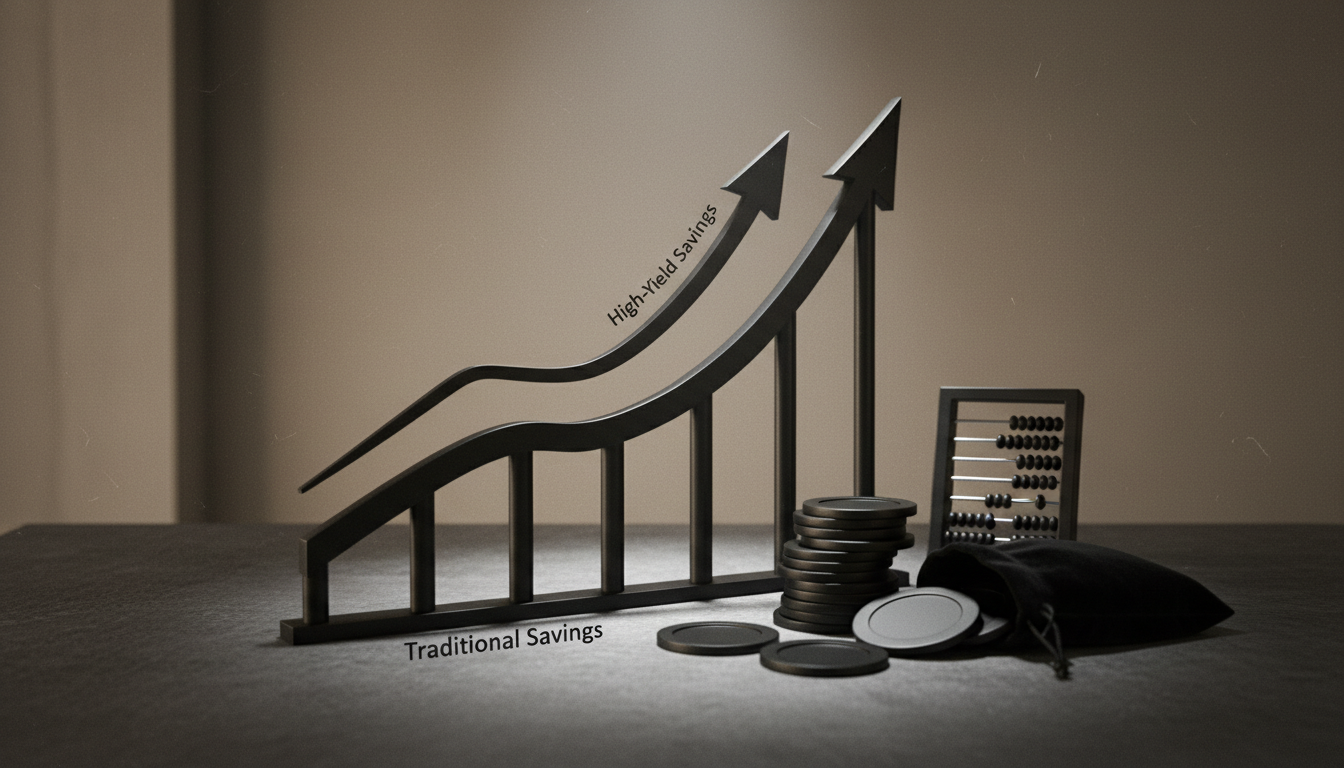
While borrowing costs have risen, savers finally earn meaningful returns on cash deposits. Current savings account rates range from 0.01% at traditional banks to over 5.00% at online institutions, creating significant opportunities for smart money management.
High-Yield Savings Account Rates
Online banks and credit unions currently offer savings rates between 4.50% and 5.25%, representing the best returns in over 15 years. These rates typically adjust monthly based on Federal Reserve policy, making them responsive to interest rate changes.
For consumers managing debt consolidation through CreditMaxxer, maintaining an emergency fund in high-yield savings becomes crucial. Current rates help emergency funds grow while providing liquidity for unexpected expenses.
Certificate of Deposit (CD) Rates
CD rates today offer attractive returns for funds you won't need immediately. Current rates range from 4.75% for 6-month terms to 5.25% for 12-month CDs, with some institutions offering promotional rates exceeding 5.50%.
| CD Term | Current Rate Range | Best Use Case | Liquidity Consideration |
|---|---|---|---|
| 3-Month CD | 4.50% - 5.00% | Short-term goals | Minimal penalty |
| 6-Month CD | 4.75% - 5.25% | Medium-term savings | Moderate penalty |
| 12-Month CD | 5.00% - 5.50% | Annual planning | Significant penalty |
| 24-Month CD | 4.50% - 5.00% | Long-term goals | Heavy penalty |
Money Market Account Benefits
Money market accounts combine higher interest rates with limited check-writing privileges, offering rates between 4.25% and 5.00% while maintaining some liquidity. These accounts work well for emergency funds or short-term savings goals.
6. Auto Loan and Consumer Financing Rates
Auto loan interest rates today vary significantly based on new versus used vehicles, loan terms, and borrower creditworthiness. Current rates range from 5.99% for excellent credit on new cars to over 18% for poor credit on used vehicles.
New Car Financing Rates
Manufacturer financing often provides the most competitive rates for new vehicles, with current promotional rates starting around 2.99% to 4.99% for qualified buyers. These rates represent subsidized financing designed to move inventory rather than market-rate lending.
Credit union auto loans typically offer rates 1-2 percentage points below bank rates, making membership worthwhile for vehicle purchases. Current credit union rates range from 5.99% to 12.99% depending on terms and credit scores.
Used Car Loan Considerations
Used car loans carry higher rates due to increased default risk and depreciation concerns. Current rates for used vehicles range from 7.99% to 18.99%, with loan terms typically limited to 60-72 months for older vehicles.
Pro Tip: Vehicles older than 7 years or with over 100,000 miles often face significantly higher rates or loan denials. Consider the total cost of financing when evaluating older vehicle purchases.
Refinancing Existing Auto Loans
Auto loan refinancing can provide savings if your credit has improved or market rates have declined since your original loan. Current refinancing rates often beat existing loans by 1-3 percentage points, potentially saving hundreds annually.
Common Questions About Interest Rates Today
What factors influence interest rates today most significantly?
The Federal Reserve's monetary policy decisions represent the primary driver of interest rates today across all categories. When the Fed raises or lowers the federal funds rate, it creates a chain reaction affecting everything from mortgage rates to credit card APRs. Economic indicators like inflation, employment data, and GDP growth also influence rate movements as they shape Fed policy decisions.
Market sentiment and investor behavior create secondary effects on longer-term rates like mortgages, which track Treasury bond yields more closely than the fed funds rate. Global economic conditions, geopolitical events, and banking sector health also contribute to rate volatility.
How often do interest rates today change for existing loans?
Variable rate loans adjust according to their specific terms, typically monthly or quarterly for credit cards and annually for adjustable mortgages. Fixed-rate loans maintain the same rate throughout their term regardless of market changes, providing payment predictability but potentially missing out on rate decreases.
Credit cards usually adjust within one to two billing cycles after Federal Reserve rate changes, while mortgage rates fluctuate daily based on bond market activity. Personal loans with fixed rates remain stable, but new originations reflect current market conditions immediately.
Should I wait for lower rates before borrowing or refinancing?
Timing the market for optimal rates is extremely difficult and often counterproductive. If you need financing for essential purchases or can save money through refinancing existing debt, current rates may justify action rather than waiting for uncertain future decreases.
Consider your specific situation: if current rates provide meaningful savings over existing debt or enable important financial goals, the opportunity cost of waiting often exceeds potential future savings. Market timing strategies work better for discretionary purchases that can be delayed indefinitely.
How do interest rates today compare to historical averages?
Current interest rates remain elevated compared to the 2010-2021 period but align more closely with historical norms from the 1990s and early 2000s. Mortgage rates around 7% represent typical levels before the financial crisis, while savings rates above 4% provide real returns after inflation for the first time in over a decade.
The ultra-low rate environment of the past decade was historically unusual, driven by economic recovery policies and quantitative easing programs. Today's rates reflect a return to more traditional monetary policy and economic conditions.
Conclusion
Interest rates today create both challenges and opportunities across different financial products. While borrowing costs have increased significantly, savers finally earn meaningful returns on deposits, and strategic debt management becomes more valuable than ever. Get started with CreditMaxxer to explore how current rates affect your specific financial situation and debt consolidation options. Ready to get started? Visit CreditMaxxer to learn more.