When you need extra cash, you've got two main paths: personal loans and credit cards. Both can solve your immediate financial needs, but they work in completely different ways. A personal loan gives you a lump sum upfront with fixed monthly payments, while credit cards offer revolving credit you can use and reuse as needed.
The choice between these two options isn't always obvious. Personal loan rates typically range from 6% to 36% APR, while credit card rates often hover between 18% and 29%. But interest rates are just one piece of the puzzle when deciding which option fits your financial situation.

Understanding Your Borrowing Options
Personal loans and credit cards serve different financial needs, and understanding these differences is crucial for making the right choice. Let's break down what each option actually offers.
What Are Personal Loans?
Personal loans are installment loans that provide a fixed amount of money upfront. You receive the full loan amount in one lump sum, then repay it over a set period with fixed monthly payments. Most personal loans have terms ranging from two to seven years.
These loans are typically unsecured, meaning you don't need to put up collateral like your home or car. Lenders evaluate your creditworthiness based on your credit score, income, and debt-to-income ratio to determine your eligibility and interest rate.
Key Takeaway: Personal loans offer predictability with fixed payments and a clear payoff timeline, making them ideal for specific financial goals.
What Are Credit Cards?
Credit cards provide revolving credit, giving you access to a predetermined credit limit that you can use repeatedly. Unlike personal loans, you only pay interest on the amount you actually use, and you can pay down the balance and use the credit again.
Credit cards offer flexibility that personal loans can't match. You can make purchases, get cash advances, and even transfer balances from other cards. The minimum payment requirement is typically much lower than a personal loan payment, though paying only the minimum can lead to long-term debt.
Detailed Comparison: Personal Loans vs Credit Cards
Let's examine how these two options stack up across the most important factors that affect your financial decision.
Interest Rates and Costs
Personal loan interest rates are generally lower than credit card rates, especially for borrowers with good credit. The average personal loan APR ranges from 10% to 15% for qualified borrowers, while credit card APRs typically start around 18% and can go much higher.
However, personal loans often come with origination fees ranging from 1% to 8% of the loan amount. Credit cards usually don't have upfront fees, but they may charge annual fees, balance transfer fees, and cash advance fees.
Pro Tip: Calculate the total cost of borrowing, including all fees, to make an accurate comparison between personal loans and credit cards.
Payment Structure and Flexibility
Personal loans require fixed monthly payments that include both principal and interest. This structure ensures you'll pay off the debt by a specific date, but it also means less flexibility in your monthly budget.
Credit cards offer more payment flexibility. You can pay the minimum amount, the full balance, or anything in between. This flexibility can be helpful during tight months, but it can also lead to prolonged debt if you consistently make only minimum payments.
Credit Score Impact
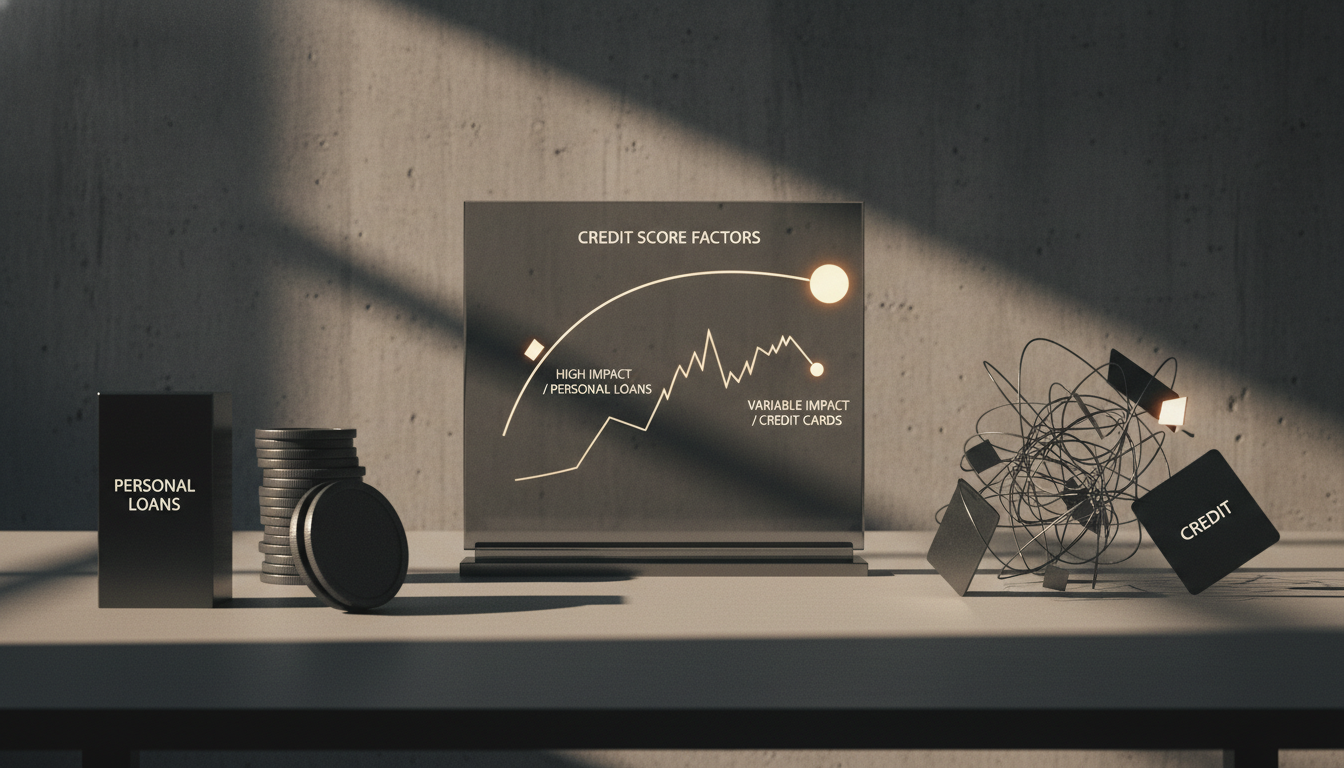
Both personal loans and credit cards affect your credit score, but in different ways. Personal loans can help diversify your credit mix and show responsible installment loan management. However, applying for a personal loan typically results in a hard credit inquiry that can temporarily lower your score.
Credit cards impact your credit utilization ratio, which accounts for 30% of your credit score. Keeping your credit card balances low relative to your credit limits can actually improve your credit score over time.
When to Choose Personal Loans
Personal loans work best for specific financial situations where you need a fixed amount of money and prefer predictable payments.
Debt Consolidation
If you're carrying high-interest credit card debt across multiple cards, a personal loan can consolidate these balances into one lower-rate payment. This strategy works particularly well if you can qualify for a personal loan rate that's significantly lower than your current credit card rates.
Many CreditMaxxer clients use personal loans to consolidate buy now pay later debts and high-interest credit card balances into more manageable monthly payments.
Large, One-Time Expenses
Personal loans excel for major expenses like home improvements, medical bills, or wedding costs. The lump sum structure ensures you have all the money upfront, while fixed payments help you budget for repayment.
Why It Matters: Personal loans provide certainty in both the amount you receive and the timeline for paying it back, making them ideal for planned expenses.
Comparison of Personal Loan Benefits
| Benefit | Description | Best For |
|---|---|---|
| Fixed Interest Rate | Rate stays the same throughout the loan term | Budget-conscious borrowers |
| Predictable Payments | Same payment amount each month | Those who prefer routine |
| Lower Interest Rates | Generally lower APR than credit cards | Debt consolidation |
| Fixed Payoff Date | Clear end date for debt repayment | Goal-oriented borrowers |
When to Choose Credit Cards
Credit cards offer advantages that personal loans simply can't match, particularly for ongoing expenses and emergency situations.
Ongoing Expenses and Cash Flow Management
Credit cards work well for managing irregular income or covering ongoing expenses. If you're a freelancer or have seasonal income variations, credit cards provide the flexibility to charge expenses when needed and pay them down when cash flow improves.
Building Credit History
For people with limited credit history, credit cards can be an excellent tool for building credit. Regular use and timely payments demonstrate creditworthiness to future lenders. Many credit union customers start with secured credit cards to establish their credit profiles.
Rewards and Perks
Many credit cards offer rewards programs, cash back, or travel benefits that personal loans don't provide. If you can pay off your balance in full each month, these rewards essentially give you free money for purchases you'd make anyway.

Expert Tip: Credit cards only make financial sense if you can avoid carrying a balance month to month. The interest charges quickly outweigh any rewards benefits.
Making the Right Choice for Your Situation
The decision between personal loans and credit cards depends on your specific financial situation, borrowing needs, and personal money management style.
Consider Your Financial Discipline
If you tend to overspend or have trouble sticking to budgets, personal loans might be the better choice. The fixed payment structure forces discipline and ensures you'll pay off the debt on schedule.
Banking consumers who struggle with credit card debt often find personal loans help them break the cycle of minimum payments and revolving balances.
Evaluate Your Credit Profile
Your credit score significantly impacts the rates you'll qualify for with both options. If you have excellent credit, you might qualify for promotional credit card rates that are lower than personal loan rates. However, these promotional rates are usually temporary.
Key Insight: Credit scores below 650 typically result in high interest rates for both personal loans and credit cards, but personal loans may still offer better terms than credit cards for these borrowers.
Think About Your Repayment Timeline
If you can pay off your debt within 12-18 months, credit cards might offer more flexibility. For longer repayment periods, personal loans typically provide better rates and more predictable payments.
Common Questions About Personal Loans vs Credit Cards
Which Option Offers Better Interest Rates?
Personal loans typically offer lower interest rates than credit cards, especially for borrowers with good to excellent credit. While credit cards might start with promotional 0% APR offers, these rates are temporary and usually jump to much higher rates after the promotional period ends.
The average personal loan rate for qualified borrowers ranges from 10-15%, while credit card rates typically start around 18% and can exceed 29% for borrowers with poor credit.
Can I Use Both Options Together?
Yes, many people successfully use both personal loans and credit cards as part of their overall financial strategy. You might use a personal loan for debt consolidation while keeping a credit card for emergencies or ongoing expenses.
The key is managing both responsibly and not overextending yourself financially. Make sure you can comfortably afford all your monthly payments before taking on additional debt.
How Do These Options Affect My Credit Score Differently?
Personal loans affect your credit mix and show you can handle installment debt. They typically result in a temporary credit score dip from the hard inquiry, followed by potential score improvements as you make on-time payments.
Credit cards primarily impact your credit utilization ratio. Keeping balances low relative to your credit limits can improve your score, while high utilization can hurt it significantly.
Which Is Better for Emergency Expenses?
Credit cards typically work better for emergency expenses because of their immediate availability and flexibility. Once approved, you can use credit cards instantly, while personal loans require an application process that can take several days.
However, if you anticipate needing emergency funds, it's better to have both options available rather than waiting until you're in a crisis to apply for either.
Final Thoughts
Personal loans and credit cards each serve important roles in personal finance, but they're designed for different situations. Personal loans work best when you need a specific amount of money, want predictable payments, and can benefit from potentially lower interest rates. Credit cards excel for ongoing expenses, building credit, and providing financial flexibility.
The smartest approach is often using both strategically rather than viewing them as competing options. Consider your specific financial goals, spending habits, and repayment ability when making your choice. Get started with CreditMaxxer to explore personalized loan options that fit your debt consolidation needs.