When you're shopping for home loan mortgage rates, you'll face one crucial decision that could save or cost you thousands of dollars over the life of your loan. The choice between fixed and variable rates isn't just about numbers on paper—it's about finding the right fit for your financial situation and risk tolerance. Understanding home loan mortgage rates and their different structures helps you make an informed decision that aligns with your long-term goals. Whether you're a first-time homebuyer or refinancing an existing mortgage, knowing the ins and outs of each option puts you in control of your financial future.

Understanding Fixed Rate Mortgages
Fixed rate mortgages offer stability and predictability that many homeowners find appealing. With a fixed rate, your home loan mortgage rates remain constant throughout the entire loan term, whether that's 15, 20, or 30 years. This means your principal and interest payments stay the same from your first payment to your last.
How Fixed Rates Work
When you lock in a fixed rate, you're essentially betting that current home loan mortgage rates represent a good deal for the long haul. The lender takes on the interest rate risk, which is why fixed rates are typically higher than initial variable rates. Your monthly payment becomes completely predictable, making budgeting straightforward.
The interest portion of your payment decreases over time while the principal portion increases, but your total monthly payment for principal and interest never changes. This amortization schedule means you'll pay more interest in the early years and build equity more slowly initially.
Why It Matters: Fixed rates protect you from rising interest rates, but they also prevent you from benefiting if rates fall significantly without refinancing.
Benefits of Fixed Rate Mortgages
Fixed rate mortgages excel in providing financial certainty. You know exactly what your housing costs will be for the life of the loan, which simplifies long-term financial planning. This stability proves especially valuable during periods of economic uncertainty or when home loan mortgage rates are trending upward.
Many homeowners appreciate the peace of mind that comes with knowing their payment won't increase. This predictability helps with budgeting and ensures that rising rates won't force you out of your home due to payment shock.
When Fixed Rates Make Sense
Fixed rates work best when you plan to stay in your home for many years and prefer payment stability over potential savings. They're ideal if you believe current home loan mortgage rates are reasonable and likely to rise in the future. First-time homebuyers often gravitate toward fixed rates because they provide a clear understanding of long-term costs.
Understanding Variable Rate Mortgages
Variable rate mortgages, also known as adjustable-rate mortgages (ARMs), start with lower initial rates that adjust periodically based on market conditions. These loans typically offer attractive introductory rates that can make homeownership more affordable initially.
How Variable Rates Work
Variable rate mortgages tie your interest rate to a specific financial index, such as the Secured Overnight Financing Rate (SOFR) or the 11th District Cost of Funds Index. Your rate adjusts at predetermined intervals—commonly every year after an initial fixed period. The adjustment includes the index rate plus a margin set by your lender.
Most variable rate mortgages include rate caps that limit how much your rate can increase during each adjustment period and over the life of the loan. These caps provide some protection against dramatic rate spikes, though your payments can still increase significantly over time.
Pro Tip: Always understand the adjustment frequency, rate caps, and worst-case payment scenarios before choosing a variable rate mortgage.
Benefits of Variable Rate Mortgages
The primary advantage of variable rates is the lower initial payment, which can help you qualify for a larger loan or free up cash for other expenses. If home loan mortgage rates decline, your payments automatically decrease without the need to refinance.
Variable rates can result in significant savings if rates remain stable or decline over time. The initial rate advantage often persists for several years, especially with hybrid ARMs that maintain fixed rates for 3, 5, 7, or 10 years before adjusting.
Detailed Rate Comparison Analysis
Rate Structure Comparison
| Feature | Fixed Rate | Variable Rate |
|---|---|---|
| Initial Rate | Higher than variable start rate | Lower introductory rate |
| Rate Changes | Never changes | Adjusts periodically |
| Payment Stability | Completely predictable | Changes with rate adjustments |
| Long-term Cost | Depends on rate environment | Potentially lower if rates fall |
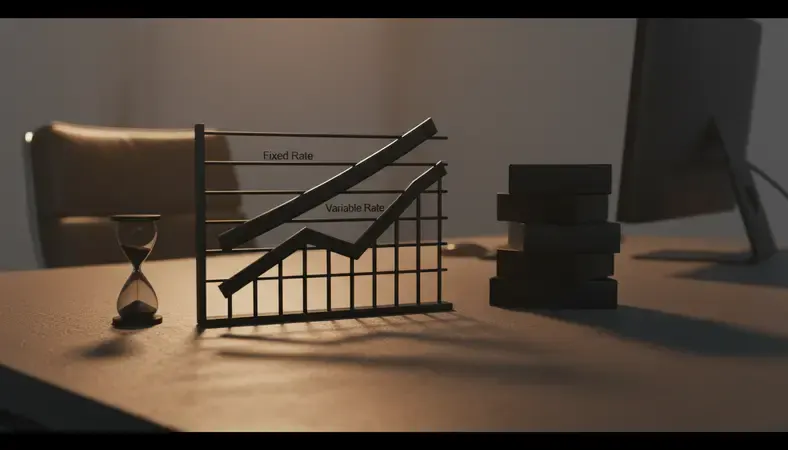
The comparison reveals fundamental differences in how these mortgage types handle risk and reward. Fixed rates transfer interest rate risk to the lender, while variable rates keep that risk with the borrower in exchange for potentially lower costs.
Cost Analysis Over Time
When analyzing home loan mortgage rates, consider both short-term and long-term costs. Variable rates often provide savings in the first few years, but the total cost depends heavily on future rate movements. Fixed rates offer cost certainty but may result in higher total interest if rates decline.
Historical data shows that variable rate borrowers often save money over the first 5-7 years of their loans, even accounting for rate increases. However, in rising rate environments, fixed rate borrowers gain significant advantages as their payments remain stable while variable rate payments climb.
Key Takeaway: The "break-even" point where fixed rates become more attractive typically occurs 5-10 years into the loan, depending on rate movements.
Risk Assessment and Decision Factors
Financial Stability Considerations
Your choice between fixed and variable home loan mortgage rates should align with your financial stability and risk tolerance. Variable rates work best for borrowers with stable, growing incomes who can handle payment increases. Fixed rates suit those who prefer predictable expenses or have tight budgets with little room for payment growth.
Consider your job security, income growth prospects, and overall financial cushion. If losing your job or facing a financial emergency would make higher payments difficult, fixed rates provide valuable protection.
Market Timing Factors
Interest rate environments significantly influence the attractiveness of each option. When rates are historically low, fixed rates become more appealing because there's limited downside risk and significant upside protection. When rates are high, variable rates offer more potential for savings as rates normalize.
Economic indicators like inflation trends, Federal Reserve policy, and economic growth patterns help predict future rate movements. However, even experts struggle to time the market perfectly, making personal financial factors more important than market predictions.
Expert Tip: Focus more on your personal financial situation than trying to predict future rate movements when choosing between mortgage types.

When to Choose Each Option
Fixed Rate Scenarios
Choose fixed rates when you plan to stay in your home for more than seven years and value payment stability over potential savings. Fixed rates work well for conservative borrowers who want to eliminate interest rate uncertainty from their financial planning.
Fixed rates also make sense when current home loan mortgage rates are attractive relative to historical averages, or when you're stretching to qualify for your loan and can't afford payment increases. Retirees and those on fixed incomes often prefer the predictability of fixed payments.
Variable Rate Scenarios
Variable rates suit borrowers who plan to move or refinance within 5-7 years and want to maximize their initial purchasing power. They work well for high-income professionals with strong earning potential who can handle payment volatility.
Consider variable rates when you're buying in a high-cost area and need the lower initial payment to qualify, or when you're confident about your ability to refinance before significant rate increases occur. Young professionals with growing careers often benefit from the initial savings variable rates provide.
Common Questions About Home Loan Mortgage Rates
How Often Do Variable Rates Adjust?
Variable rate mortgages typically adjust annually after an initial fixed period, though some adjust monthly or every six months. The adjustment frequency is specified in your loan documents and affects how quickly your payments respond to market changes. More frequent adjustments mean faster response to rate changes, both up and down.
Can I Switch from Variable to Fixed Rates?
You can convert from a variable to fixed rate through refinancing, though this involves closing costs and qualifying for a new loan. Some lenders offer conversion options within existing variable rate mortgages, allowing you to switch to a fixed rate without full refinancing. These conversion features typically come with specific timing windows and rate premiums.
What Happens If I Can't Afford Higher Payments?
If variable rate increases make payments unaffordable, you have several options including refinancing to a fixed rate, extending the loan term, or loan modification programs. Planning for potential payment increases and maintaining financial reserves helps prevent payment shock. Communication with your lender early in the process often leads to better outcomes.
How Do Rate Caps Protect Borrowers?
Rate caps limit how much your variable rate can increase during each adjustment period and over the loan's lifetime. Typical caps might limit increases to 2% per adjustment and 5% over the loan's life. These caps prevent extreme payment shock but don't eliminate the risk of significant increases over time.

Conclusion
Choosing between fixed and variable home loan mortgage rates depends on your financial situation, risk tolerance, and long-term plans. Fixed rates offer stability and predictability, while variable rates provide initial savings and flexibility. Consider your income stability, how long you plan to stay in your home, and your comfort with payment uncertainty when making this important decision. Get started with CreditMaxxer to explore mortgage options that fit your unique financial needs. Ready to get started? Visit CreditMaxxer to learn more.